Sustainable Landscaping: Eco-Friendly Practices for Your Garden Apr 22, 2026
Firstly, consider the principle of xeriscaping. Xeriscaping involves designing a garden that requires minimal water, utilizing drought-tolerant plants that thrive in your local climate. This practice reduces water usage, a vital resource, especially during dry seasons. By choosing native plants, you can create a vibrant and resilient garden that supports local wildlife, including birds and beneficial insects.
Another essential aspect of sustainable landscaping is soil health. Healthy soil is teeming with microorganisms that help plants absorb nutrients and water more efficiently, reducing the need for chemical fertilizers. You can improve soil health by incorporating organic matter such as compost. Composting not only enriches the soil but also recycles kitchen and garden waste, reducing landfill contributions.
Integrated Pest Management (IPM) is a sustainable method for managing garden pests, reducing the reliance on harmful chemical pesticides. IPM involves monitoring pest populations and using physical barriers, organic pesticides, and beneficial insects to manage infestations. This approach is not only safer for your family and pets but also ensures a healthier ecosystem in your garden.
Water conservation is a critical component of sustainable landscaping practices. Installing a rainwater harvesting system, such as rain barrels, allows you to collect rainwater for irrigating your garden, diminishing the reliance on municipal water. Additionally, drippers and soaker hoses can be utilized to ensure that water is directed precisely to where it is needed, minimizing waste through evaporation and runoff.
Incorporating permeable hardscaping materials can also greatly enhance your garden’s sustainability. Permeable pavers, gravel paths, and green roofs allow rainwater to seep into the ground, replenishing groundwater supplies and reducing stormwater runoff. These elements not only mitigate erosion but also enhance the aesthetic appeal of your property.
In the pursuit of an eco-friendly garden, selecting sustainable materials is key for any landscaping or hardscaping project. Opt for materials with a low environmental impact, such as locally sourced stone or sustainably harvested wood. These choices not only reduce your carbon footprint but support local businesses and their sustainable practices.
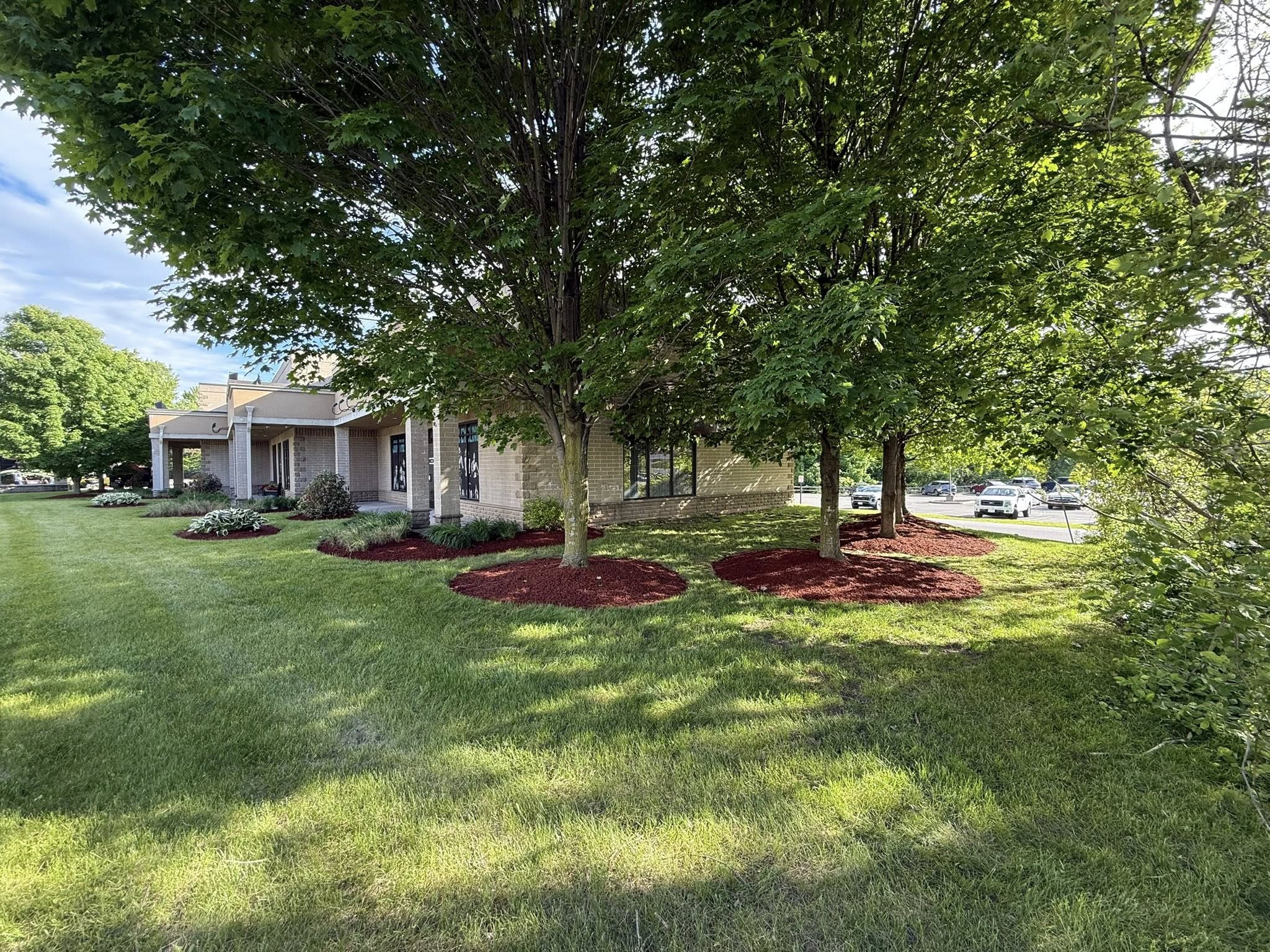
Finally, consider the longer-term maintenance of your garden. Regular pruning encourages healthy plant growth and air circulation, minimizing disease. Similarly, mowing your lawn at a higher setting keeps the grass root system healthy, requiring less water and fewer fertilizers. Mulching around plants helps retain soil moisture and suppresses weeds, promoting a thriving environment with minimal intervention.
By incorporating these sustainable landscaping practices, you are not only making a positive impact on the environment but also creating a beautiful, resilient space that can flourish for years. At Katinas Property Maintenance, we are committed to helping you achieve your dream garden through environmentally friendly methods. Join us in making a difference, one garden at a time. Embrace the movement towards a greener, more sustainable future and witness the natural beauty of your transformed garden space.